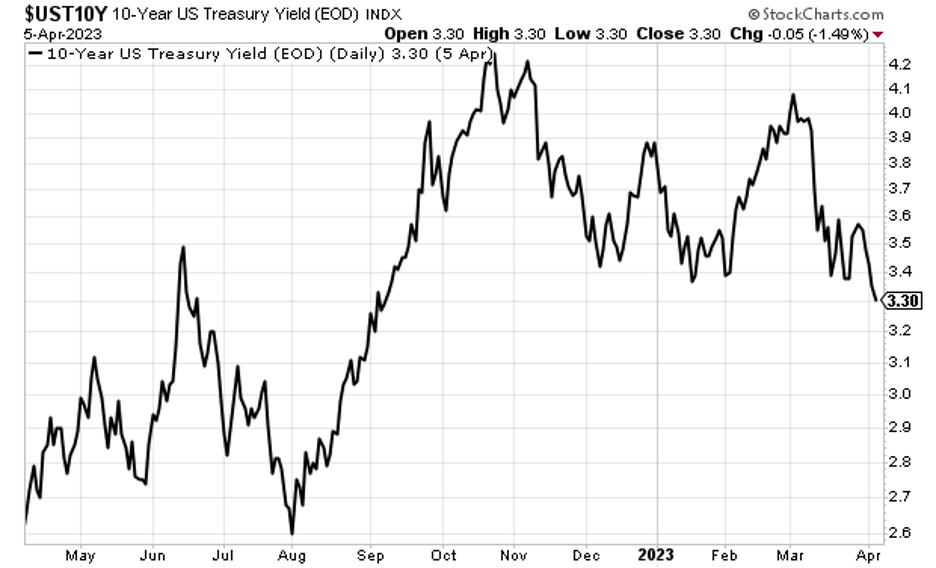
This means investors stampede into bonds when they want safety from what they fear will be uncertain and/or dangerous upcoming market conditions.
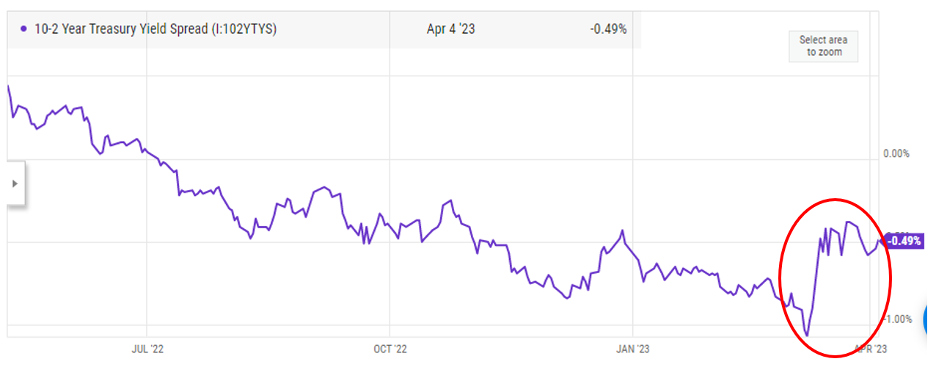
The Second clue: De-inverted "10-2 yield spread"
We've been living in an "inverted yield curve" environment since last summer.
A negative 10-2 yield spread has historically been viewed as a precursor to a recessionary period.
A negative 10-2 spread has predicted every recession from 1955 to 2018, but has occurred 6-24 months before the recession occurring, and is thus seen as a far-leading indicator.
We've had an inverted yield curve since July of last year. Plus, in March, the size of the spread reached its most extreme level since 1981. If we go by history, this is a screaming red flag recession indicator.
But in recent weeks, the 10-2 spread has closed dramatically, racing toward "0"
According to "Bond King" Jeff Gundlach:
In all the past recessions going back for decades, the yield curve starts de-inverting a few months before the recession.
Seems like cause for concern. But let's see what other "deflation bomb" signals are out there.
The Third clue: Gold is soaring!
Yesterday morning, it appeared poised to break the all-time-high before pulling back slightly.
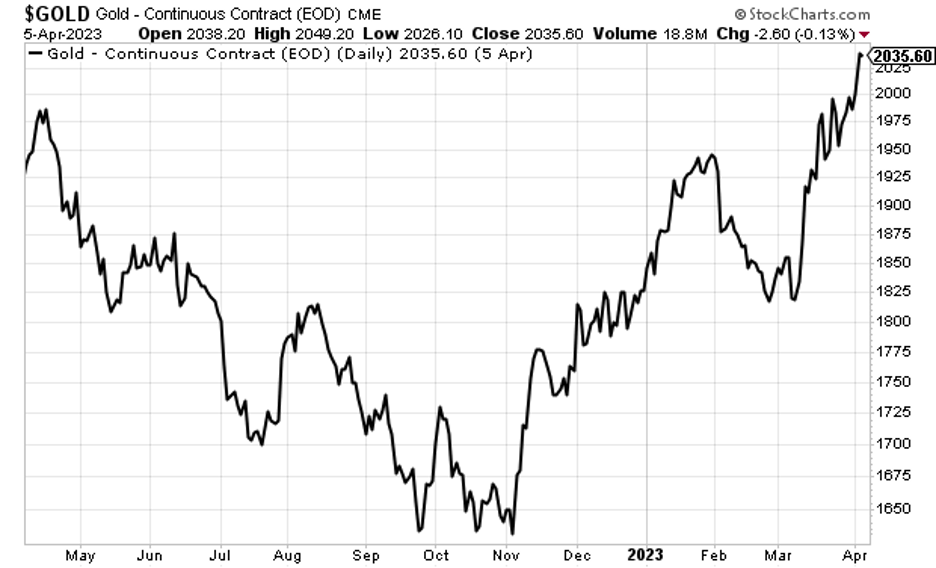
Gold is a chaos hedge. This suggests investors are bracing for chaos. But not inflationary chaos – that opportunity came and went. Now we're talking deflationary chaos.
What does that look like?
In a deflationary environment, prices are dropping in the economy. While that sounds good, they're dropping because economic activity has ground to a halt.
Scared/stretched consumers hold onto their money, which leads to less revenues/profits for companies, which leads to corporate layoffs, which creates fear and even tighter-fisted consumers… rinse and repeat.
If things are bad enough, the Fed will be forced to abandon its tightening policy and reverse course, following historic precedent by papering over problems with magically-printed money.
At the same time, the broader U.S. government will go deeper into debt as it throws lifelines to all sorts of failing institutions, programs, and troubled citizens.
Here's the London Bullion Market Association commenting on gold on this type of atmosphere:
In a period of global deflation, investors and the public increase their demand for gold as a hedge against paper currency debasement, a hedge against financial counterparty failure and the rising risk of private and public sector default.
Earlier this week, JPMorgan's CEO Jamie Dimon wrote, "the current [banking] crisis is not yet over, and even when it is behind us, there will be repercussions from it for years to come."
Plus, as you know based on our ongoing "commercial real estate watch" segment, smoke is beginning to billow above that troubled sector (which affects banking too).
In fact, on Monday, Morgan Stanley published research suggesting the commercial real estate sector faces a crash worse than the 2008 financial crisis.
From Newsweek:
"Commercial real estate, already facing headwinds from a shift to hybrid/remote work, has to refinance more than half of its mortgage debt in the next two years," Lisa Shalett, chief investment officer for Morgan Stanley Wealth Management, wrote in a weekly report published Monday.
Shalett said that the market faces a "huge hurdle," with analysts forecasting a commercial real estate decline "of as much as 40 percent worse than in the Great Financial Crisis."